In banking and merchant environments, policies can change quickly as organizations respond to regulations, industry standards, internal requirements, and emerging risks. Yet updating a policy is only one part of the compliance process. Organizations also need to know whether employees received the update, reviewed it, understood it, and completed any required training.
A signed acknowledgment alone may not answer all of those questions. When audit time arrives, financial institutions need reliable evidence showing what happened and when. This is where a connected policy acknowledgment process can help close the audit trail gap.
Why Policy Acknowledgment Is More Than a Signature
A traditional acknowledgment process may involve emailing a policy to employees and asking them to confirm that they have read it. While this creates a basic record, it does not necessarily demonstrate comprehension.
For policies involving security, financial controls, customer information, operational procedures, or regulatory responsibilities, understanding matters. An employee can open a document without absorbing its requirements.
A stronger approach connects policy distribution with training and testing. Employees can be directed to the applicable policy, provided with supporting materials, and asked to complete questions that demonstrate their understanding. The organization can then retain the acknowledgment and test results as part of a centralized compliance record.
Connecting Policies to Interactive Testing
Interactive testing creates another layer of accountability. Instead of treating acknowledgment as the final step, organizations can use testing to reinforce whether employees understand important requirements.
For example, after a policy update, staff could receive a notification linking directly to the applicable policy and related training material. A short assessment can then reinforce critical points and record the employee’s results.
ComplyVision supports this type of connected workflow by linking policies with training and testing while recording acknowledgment and scores. This creates a more meaningful record than simply documenting that an employee clicked a confirmation button.
Automated Tracking Helps Close Compliance Gaps
Manual spreadsheets and email follow-ups can make it difficult to determine who has completed an acknowledgment and who still requires action. They can also create unnecessary administrative work for compliance teams.
Automation changes the process by making reminders, notifications, assignments, and tracking part of the workflow. If an employee has not completed a required acknowledgment or assessment, the system can help identify the outstanding task.
ComplyVision provides automated alerts, notifications, dashboards, reporting, and task tracking designed to improve accountability and staff readiness. Its centralized approach also records access and actions so organizations have a clearer audit trail.
Version Control Matters to the Audit Trail
Another common risk occurs when employees access outdated versions of policies. If multiple copies are stored across shared drives, email inboxes, or local folders, an organization may have difficulty determining which version employees actually reviewed.
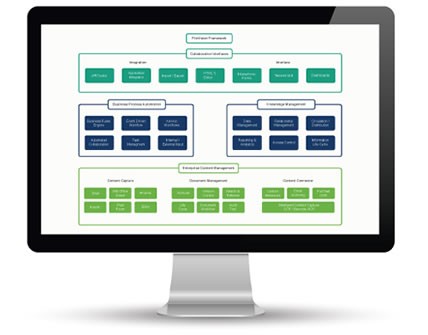
Centralized policy management helps establish a controlled source for current documents. ComplyVision is designed to manage policy versions and provide a centralized environment where policies, standards, procedures, training, and related compliance information can be managed together.
This makes the audit trail more useful because the organization can connect the employee’s acknowledgment to the appropriate policy and related compliance activity.
Turning Audit Preparation Into an Ongoing Process
Audit readiness should not begin when an auditor requests documentation. It should be built into everyday compliance operations.
When policy updates, acknowledgments, testing, training, reminders, and reporting are connected, organizations can monitor compliance continuously rather than reconstructing records at the last minute. Dashboards and scheduled reports can also make it easier for leadership and compliance teams to identify outstanding actions and potential gaps.
The result is a more proactive approach to governance. Instead of asking, “Can we find proof that this employee acknowledged the policy?” teams can maintain a structured record throughout the policy lifecycle.
Building a More Defensible Compliance Process
Financial institutions operate in environments where accountability and documentation matter. Policy acknowledgment should therefore be treated as an ongoing compliance workflow rather than a one-time administrative task.
At ComplyVision, we provide a centralized compliance platform that connects policy management, standards, training, testing, acknowledgments, alerts, dashboards, and reporting. Our solution supports banking and merchant industry standards as well as other regulated environments, helping organizations strengthen accountability and maintain more consistent, audit-ready records. For organizations seeking policy acknowledgment compliance services, we can help create a more connected approach to policy governance and staff readiness. Contact ComplyVision at inquiries@filevision.net to learn more or request a consultation.